


Page 2 of 44
How to Add Real-Time DNC Protection to Your Predictive Dialer
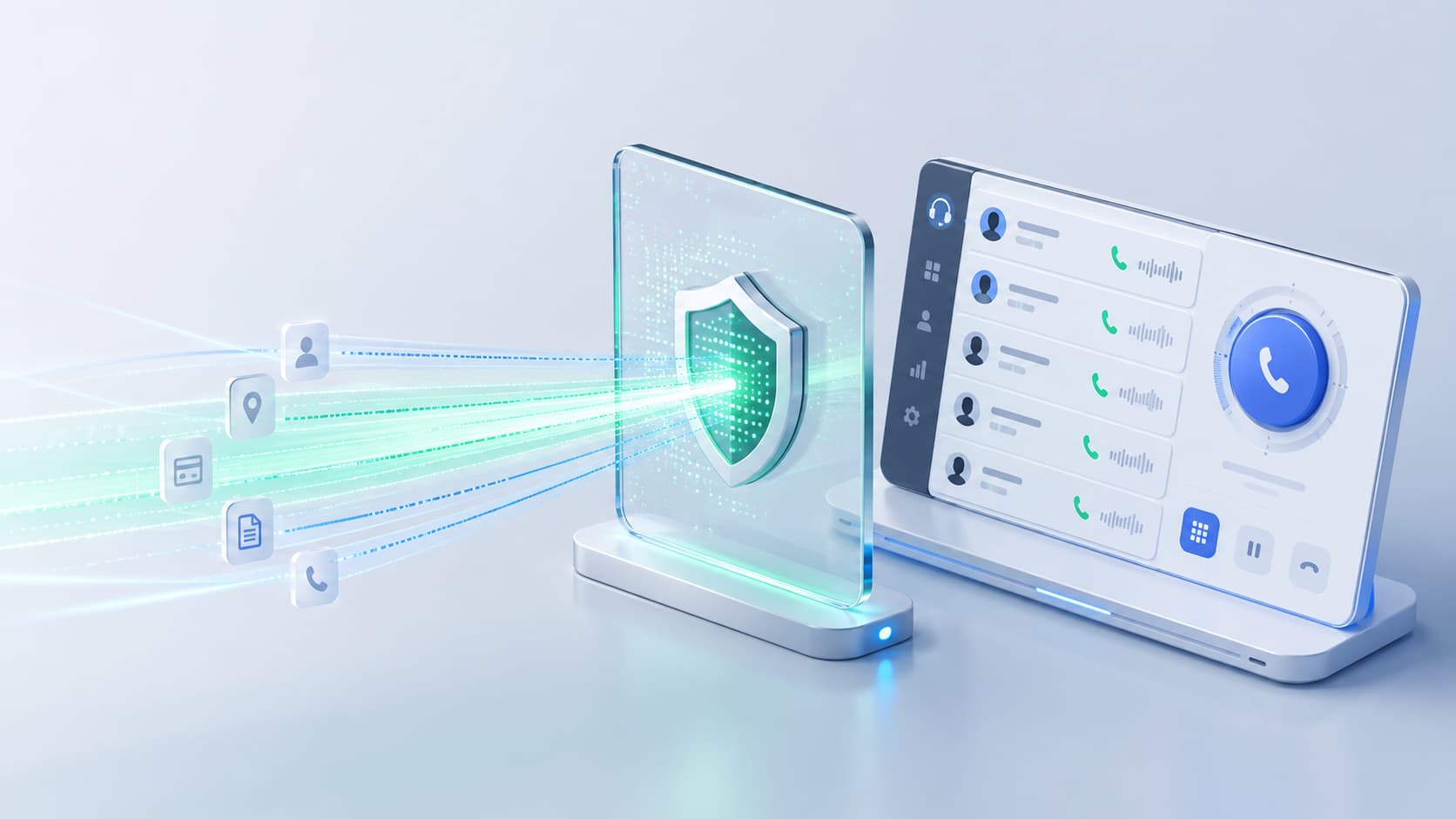
Real-time DNC protection is added to a predictive dialer by inserting an automated scrubbing and suppression check that validates each number against every relevant list in the moment before the call is placed. Instead of relying on a periodic batch scrub, the dialer queries the… Continue Reading
June 25, 2026
The True Cost of Building DNC Compliance In-House
Building a Do Not Call compliance program in-house carries costs that extend well beyond the initial technology purchase. When organizations account for data licensing, platform integrations, dedicated staff, ongoing training, regulatory monitoring, vendor oversight, and audit documentation, the total investment can be significantly higher than… Continue Reading

DNC Compliance Packages: What’s Included and How to Choose
A DNC compliance package bundles the tools and services an organization needs to meet federal and state Do Not Contact requirements in a single, coordinated solution. At a minimum, that means: The best packages go further, adding protections such as reassigned number detection, litigator list… Continue Reading

How to Protect Your Business from DNC Lawsuits with Automated Scrubbing
Automated scrubbing protects against DNC lawsuits by validating every number against the relevant registries and internal suppression records before outreach occurs. Instead of relying on periodic batch processes that leave gaps between updates, automated scrubbing checks each contact at the point of action—confirming eligibility, applying… Continue Reading
How to Respond to a DNC Complaint
Failing to respond correctly to a Do Not Contact (DNC) complaint can expose your company to serious consequences, including enforcement actions, civil penalties, and class-action lawsuits. The Federal Trade Commission’s Telemarketing Sales Rule (TSR) and the Telephone Consumer Protection Act (TCPA) both impose strict requirements for honoring opt-outs… Continue Reading

September 16, 2025
How to Use Predictive Dialers While Staying Compliant with DNC and TCPA Rules
Predictive dialers can help outbound call centers reach more prospects in less time, but they also carry significant compliance risks under the Telephone Consumer Protection Act (TCPA), the FTC’s Telemarketing Sales Rule (TSR), and state-level laws. Missteps can result in abandoned call violations, Do-Not-Call (DNC) breaches, and costly penalties. … Continue Reading

December 5, 2025
TCPA Text Message Opt-Out Requirements: What Businesses Must Do
When a consumer opts out of marketing text messages, the Telephone Consumer Protection Act (TCPA) requires businesses to stop sending those messages as soon as possible and no later than 10 business days. The opt-out must be recognized whether the consumer replied STOP, used another… Continue Reading

June 1, 2026
TCPA Text Message Consent Requirements: What You Need to Collect
Marketing text messages sent through regulated technology require prior express written consent under the Telephone Consumer Protection Act (TCPA). To be valid, that consent must include several specific elements and be backed by clear documentation that can hold up if the record is ever challenged…. Continue Reading

The Complete Guide to TCPA Compliance for Text Messages
The Telephone Consumer Protection Act (TCPA) sets strict rules for how businesses can send marketing text messages and who they can be sent to. The financial and legal cost of non-compliance can be steep, including serious penalties and fines, class action lawsuits, and long-term damage… Continue Reading

How to Prevent Accidental DNC Violations
A DNC violation does not have to be intentional to create serious consequences for your organization. Many violations happen when outbound teams believe they are following the rules, but the campaign data they rely on is incomplete or outdated. Regardless of intent, Do Not Call… Continue Reading

Page 2 of 44


