


Resource Center
How to Prevent Call Blocking and Flagging in Outbound Marketing
Type: Blog
Topic: Do Not Call Solution
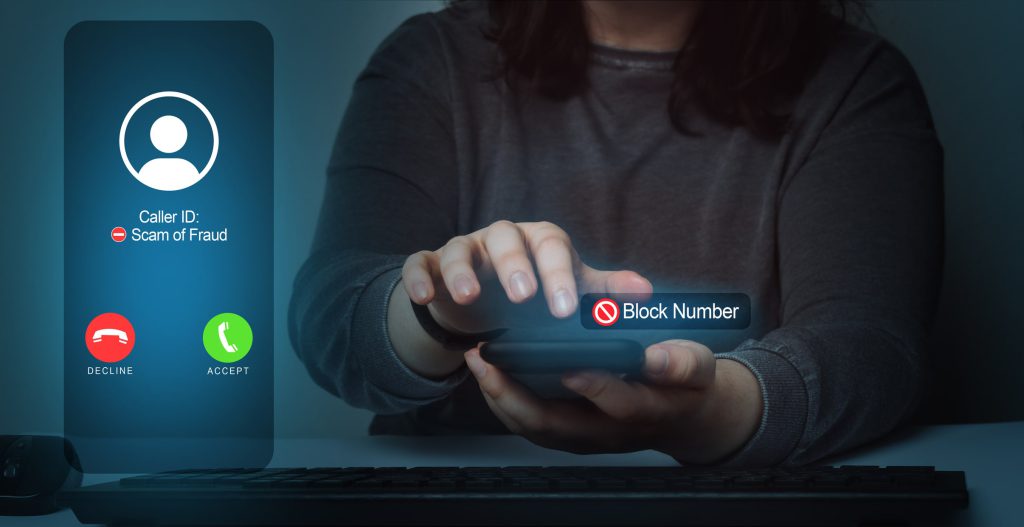
Outbound marketing teams face serious challenges due to the fact that legitimate business calls are often flagged as “Spam Likely” or blocked altogether. This damages revenue opportunities and erodes customer trust. To prevent these disruptions, businesses can take deliberate steps to strengthen their caller ID reputation and make sure their calls reach the right people.
Here are seven proven strategies to avoid call blocking and flagging:
- Register and verify your phone numbers with carriers and analytics platforms
- Authenticate outbound calls using STIR/SHAKEN protocols
- Limit the number of daily calls per number to avoid being flagged
- Rotate numbers and maintain realistic dialing patterns
- Monitor your reputation and submit remediation requests quickly when issues arise
- Use branded caller ID so recipients recognize your business immediately
- Scrub call lists against the National Do Not Call Registry and comply with TCPA and TSR rules

“When numbers aren’t verified, monitored, and paired with compliant calling practices, carriers are more likely to flag them. That’s how legitimate business calls can end up being blocked, leading to lost opportunities and higher compliance risk.”
In the following sections, you’ll find information on:
Speak With an Expert Today
Register and Verify Your Phone Numbers
Carriers and call analytics platforms (such as Hiya, TNS, and First Orion) need to recognize your numbers as legitimate. Registering with tools like branded caller ID services adds your company name, logo, and verification badge. This not only improves answer rates but also protects your business from being impersonated by spoofers.
Authenticate Calls with STIR/SHAKEN
Carriers are deploying STIR/SHAKEN, a caller authentication framework mandated by the FCC, to combat illegal robocalls and number spoofing. Under this system, voice service providers attach a digital certificate to calls placed over IP networks, verifying that the caller’s number is legitimate and has not been spoofed.
While not every outbound call is authenticated (for example, calls that traverse legacy networks may fall outside the STIR/SHAKEN framework), calls that do pass through it are more likely to be trusted by downstream carriers and analytics platforms. That higher trust level reduces the risk of being flagged as spam and improves the chances your calls reach the intended recipient.
Limit Daily Call Volume per Number
Telecom carriers and call analytics providers monitor call activity across their networks to detect patterns associated with illegal robocalling. One of the key triggers they look for is excessive call volume from a single number in a short time period. When a line generates far more activity than what would be considered normal business use, it raises suspicion that the number may be part of a spam or fraud operation.
While exact thresholds vary by carrier and analytics platform, unusually high call volumes from a single number, especially if paired with short call durations or repetitive dialing patterns, are a common trigger for spam labeling.
The best practice is to spread call volume across a controlled set of registered numbers and monitor call activity daily.
Rotate Numbers and Maintain Natural Dialing Patterns
Dialing systems that make brief, repetitive calls or hit the same recipient multiple times in a short period raise red flags. Rotate caller IDs across campaigns to avoid overloading a single line, and vary call frequency so the same contact is not dialed back-to-back.
Keep call durations aligned with normal conversations. A natural mix of completed calls, voicemails, and longer interactions looks legitimate, while rapid hang-ups resemble robocalling.
Monitor Caller ID Reputation and Remediate Issues
Carriers and analytics providers flag numbers when they detect high complaint rates, excessive daily call volumes, or unnatural dialing patterns. Once a number is tagged as “Spam Likely,” answer rates drop sharply and customer trust is damaged.
Tools like First Orion’s INFORM and AFFIRM, Hiya’s Branded Call Intelligence, and Kixie’s reputation score checker provide visibility into how your calls are being labeled. They also track completion rates, complaint volumes, and other metrics that influence reputation.
If issues arise, businesses can file remediation requests directly with carriers such as AT&T, Verizon, and T-Mobile. Demonstrating compliant practices often leads to the removal of a spam designation.
Handling complaints quickly is essential. Investigating reported calls, adjusting dialing practices, and documenting compliance with the TCPA and the FTC’s Telemarketing Sales Rule helps restore reputation while creating a defensible record if practices are ever challenged.
Use Branded Caller ID to Build Recognition
Recipients are far more likely to pick up when they see a business name they recognize instead of a random number. Displaying your company identity with branded caller ID increases answer rates and builds customer confidence.
Scrub Lists and Stay Compliant with Regulations
The Telephone Consumer Protection Act (TCPA) and the FTC’s Telemarketing Sales Rule (TSR) set strict rules for outbound calls. Both require honoring consumer opt-outs, and the TSR manages the National Do Not Call Registry, making list scrubbing a legal necessity.
Calling a number on the registry without consent can trigger fines, lawsuits, and reputational harm. Scrubbing also reduces the complaints that carriers and analytics firms use to flag numbers as spam.
A dedicated Do Not Call solution checks outbound lists against federal, state, and internal registries, helping businesses maintain compliance and keep their numbers trusted.
How PossibleNOW Helps You Protect Caller Reputation
PossibleNOW provides enterprise-class tools and expertise to help organizations manage risk and maintain strong caller ID reputations:
- DNC compliance with DNCSolution®, the industry’s most trusted Do Not Contact platform, backed by a compliance guarantee.
- MyPreferences® to capture and respect customer consents and preferences across every channel.
- RegInfoHub® for the latest state and federal regulations, giving you real-time guidance on compliance requirements.
- Compliance Advisory Services to reduce litigation risk and strengthen outbound calling strategies.
Your outbound campaigns depend on reputation, compliance, and customer trust. PossibleNOW delivers all three. Ready to protect your caller ID reputation and connect with confidence? Talk to a PossibleNOW expert today.
Speak With an Expert Today
About PossibleNOW
PossibleNOW is the pioneer and leader in customer consent, preference, and regulatory compliance solutions. We leverage our MyPreferences technology, processes, and services to enable relevant, trusted, and compliant customer interactions. Our platform empowers the collection, centralization, and distribution of customer communication consent and preferences across the
enterprise. DNCSolution addresses Do Not Contact regulations such as TCPA, CAN-SPAM and CASL, allowing companies to adhere to DNC requirements, backed by our 100% compliance guarantee.
PossibleNOW’s strategic consultants take a holistic approach, leveraging years of experience when creating strategic roadmaps, planning technology deployments, and designing customer interfaces. PossibleNOW is purpose-built to help large, complex organizations improve customer experiences and loyalty while mitigating compliance risk.

-
TCPA Regulations and Compliance: Complete Guide
Type: Blog
Topic: Do Not Call Solution
-
Defining Meaningful Metrics: 6 Soft KPIs to Measure Customer Preference Collection
Type: Blog
Topic: Preference Mgmt
-
Email Preference Center Best Practices
Type: Blog
Topic: Preference Mgmt
-
The Basics of DNC Scrubbing: What Is a Do Not Call (DNC) Scrubber and Why Do You Need It?
Type: Blog
Topic: Do Not Call Solution
-
What is Consent Management, How it Works, & Why it’s Important for Data Compliance
Type: Blog
Topic: Consent Mgmt
-
Do Insurance Companies Cover TCPA Damages?
Type: Blog
Topic: Do Not Call Solution
-
8 Best Practices for Capturing GDPR Consent
Type: Webinars
-
Data Silos Cause Communication Gaps
Type: Videos
Topic: Preference Mgmt
-
Difference Between Preferences & Consent
Type: Videos
Topic: Preference Mgmt
-
Integrate Do Not Call Compliance with Preferences
Type: Videos
Topic: Preference Mgmt
-
Customer Preferences Require More Than One Flavor
Type: Videos
Topic: Preference Mgmt
-
Give Customers Opt-Down Options
Type: Videos
Topic: Preference Mgmt
-
Preference Center Organization
Type: Videos
Topic: Preference Mgmt
-
Strategic Consultants Benefited Scotiabank
Type: Videos
Topic: Industry Testimonials
-
Best Practices for Managing Do Not Email Lists
Type: Blog
Topic: Do Not Call Solution
-
How Do Not Call Rules Apply to Nonprofit Organizations
Type: Blog
Topic: Do Not Call Solution
-
How to Train Your Call Center on DNC Rules
Type: Blog
Topic: Do Not Call Solution
View Other Resources


