


Resource Center
How Does the Federal Do Not Call Registry Work?
Type: Blog
Topic: Do Not Call Solution

The Federal Do Not Call Registry is a national database where consumers register phone numbers to opt out of telemarketing calls. Managed by the Federal Trade Commission (FTC), the registry holds more than 258 million active registrations, with millions of new numbers added each year. Once a number is registered, it stays on the list indefinitely unless the consumer requests removal or the number is disconnected and reassigned.
For businesses running outbound campaigns, the registry is one layer of a broader Do Not Contact compliance framework. PossibleNOW’s DNC compliance platform automates scrubbing against federal, state, and internal registries, reducing violation risk while preserving the widest possible pool of eligible contacts.
In the following sections, you’ll find information on:
Speak With an Expert Today
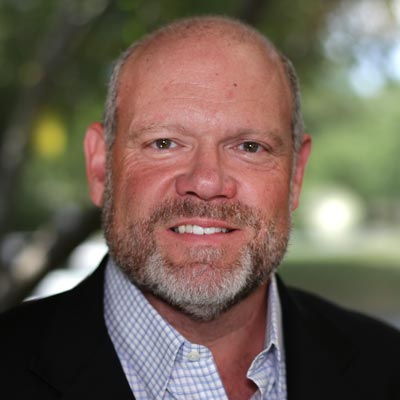
“The registry works best when your internal systems work with it. Make opt-outs easy, suppress consistently, and measure whether your processes prevent repeat complaints.”
Rules That Govern the Federal Do Not Call Registry
The FTC’s Telemarketing Sales Rule (TSR) created the national Do Not Call registry and sets the core compliance obligations for sellers and telemarketers.
- 31-day scrubbing cycle: Outbound call lists must be scrubbed against the National Registry at least every 31 days. Using an outdated version of the registry increases the risk of contacting protected numbers and losing safe harbor protection.
- Company-specific DNC lists: Businesses must maintain an internal suppression list and add any consumer who requests no further calls. Entries must remain for at least five years, though some states require 10 years, and many businesses choose to retain records indefinitely as a best practice.
- Opt-out processing: After receiving a DNC request, businesses must cease regulated calls and texts as soon as possible and no later than 10 business days.
- Recordkeeping: Scrub receipts, call logs, and documentation of valid exemptions must be maintained to demonstrate compliance during any regulatory inquiry.
- Safe harbor: The TSR provides protection from civil penalties for inadvertent mistakes when businesses can demonstrate written compliance procedures, regular registry scrubbing, and documented staff training.
Other Federal and State Regulations
The registry is one component of a broader regulatory framework. The Telephone Consumer Protection Act (TCPA) sets additional requirements for autodialed and prerecorded calls, and several states enforce their own telemarketing statutes and DNC lists. Maintaining TCPA compliance alongside registry obligations is critical for businesses operating across multiple jurisdictions.
Who Needs to Comply with the Federal Do Not Call Registry?
Any business conducting telemarketing or outbound sales calls must comply with the National Do Not Call Registry. This includes direct-to-consumer marketers, third-party telemarketers, and organizations using autodialed or prerecorded calls for sales purposes. Industries with high outbound call volumes face the greatest compliance risk. Financial services, insurance, telecommunications, travel, and home security companies are particularly affected.
Call Types Generally Exempt from Registry Restrictions
Certain categories of calls are generally not subject to the National Registry’s Do Not Call requirements:
- Political organizations: Campaign calls and political surveys
- Charitable organizations: Nonprofits calling on their own behalf to solicit exclusively charitable donations
- Surveys: Market research calls that do not include a sales component
- Established business relationship (EBR): Calls based on a recent purchase, transaction, or inquiry
- Prior express consent: Calls to consumers who have given express written consent or prior express invitation or permission to be contacted
The charitable exemption has important limits. Using a for-profit telemarketer does not by itself remove the exemption, but any commercial element in the campaign ends it. For-profit fundraisers also remain directly subject to TSR provisions such as honoring internal DNC requests and providing required disclosures.
EBR and written consent are the most operationally relevant exemptions for outbound marketers. However, even when an exemption applies, a company-specific DNC request from the consumer overrides it.
B2B Telemarketing Calls
B2B telemarketing calls are generally exempt from the TSR’s National Do Not Call Registry requirements. Businesses calling other businesses at business lines do not need to scrub those numbers against the National Registry. However, the TSR’s prohibitions on deceptive and abusive telemarketing practices still apply to B2B calls. And when a B2B call is placed to a wireless number using autodialing or prerecorded technology, TCPA requirements apply regardless of whether the recipient is a business contact.
Penalties for Non-Compliance with the Federal Do Not Call Registry
The financial exposure from DNC violations adds up quickly. TSR violations carry civil penalties of up to more than $53,000 per non-compliant contact, and each call may constitute a separate violation. A single campaign that reaches even a few hundred protected numbers can potentially generate millions of dollars in civil penalties.
That risk extends beyond an organization’s own call center. Courts have consistently found that brands are responsible for the actions of their third-party marketing partners, including lead generators, vendors, and remarketers, under TSR vicarious liability standards. If a marketing partner contacts a protected number, the brand that hired them carries the liability.
Non-compliance also erodes customer trust. Unwanted calls generate consumer complaints, which carriers and analytics platforms use to flag outbound numbers as “Spam Likely.” Once flagged, answer rates drop and caller ID reputation deteriorates. Repeated violations can trigger broader regulatory investigations and class-action lawsuits.
How Businesses Can Manage Do Not Call Compliance
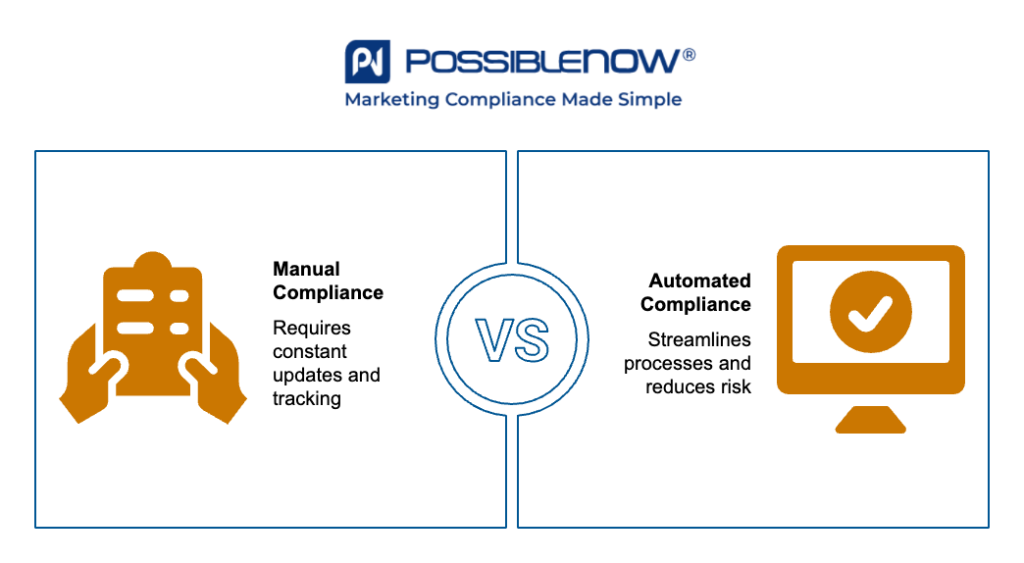
Automated DNC scrubbing is the operational foundation of registry compliance. A complete program also covers opt-out processing, exemption management, and documentation.
Automate List Scrubbing
Manual scrubbing processes are error-prone and difficult to scale. Automated scrubbing against all relevant registries before each campaign reduces the risk of contacting protected numbers. Real-time checks at the point of contact add a second layer of protection for agent-driven outreach.
Centralize Opt-Out and Consent Data
When opt-out data lives in disconnected systems, preferences may not propagate to every team and channel that needs them. Centralizing consent, preference, and revocation data in a single platform keeps suppression current and creates an auditable trail of customer communication choices.
Maintain Documentation for Safe Harbor
The TSR’s safe harbor protects businesses that can demonstrate written compliance procedures, regular registry scrubbing, and documented staff training. This documentation creates the defensible record needed to respond to any regulatory inquiry.
Request a Demo Today
How PossibleNOW Strengthens DNC Compliance
PossibleNOW provides enterprise-class tools and expertise for Do Not Call compliance:
- DNCSolution® automates scrubbing against federal, state, wireless, and internal registries. It also checks numbers against the FCC’s Reassigned Numbers Database and a known TCPA litigator list. Centralized EBR policy management and configurable audit logging give compliance teams direct control over outbound rules. DNCSolution is backed by a compliance guarantee that helps establish a defensible position if legal action arises.
- MyPreferences® centralizes consent, preference, and revocation data across channels, distributing updates to downstream systems so suppression stays current.
- RegInfoHub® provides continuously refreshed guidance on federal and state requirements for calling, texting, and related communications.
- PossibleNOW also offers strategic consulting, implementation services, and litigation support to help organizations build and maintain defensible compliance programs.
A strong DNC compliance program protects against regulatory penalties and preserves the widest possible pool of eligible contacts for outbound campaigns. PossibleNOW’s integrated platform and regulatory expertise close common compliance gaps, keeping outbound programs both compliant and effective.
Ready to strengthen Do Not Call compliance and reduce risk? Contact a PossibleNOW expert today to discuss how DNCSolution and MyPreferences can protect outbound operations.

-
TCPA Regulations and Compliance: Complete Guide
Type: Blog
Topic: Do Not Call Solution
-
Defining Meaningful Metrics: 6 Soft KPIs to Measure Customer Preference Collection
Type: Blog
Topic: Preference Mgmt
-
Email Preference Center Best Practices
Type: Blog
Topic: Preference Mgmt
-
The Basics of DNC Scrubbing: What Is a Do Not Call (DNC) Scrubber and Why Do You Need It?
Type: Blog
Topic: Do Not Call Solution
-
What is Consent Management, How it Works, & Why it’s Important for Data Compliance
Type: Blog
Topic: Consent Mgmt
-
Do Insurance Companies Cover TCPA Damages?
Type: Blog
Topic: Do Not Call Solution
-
8 Best Practices for Capturing GDPR Consent
Type: Webinars
-
Data Silos Cause Communication Gaps
Type: Videos
Topic: Preference Mgmt
-
Difference Between Preferences & Consent
Type: Videos
Topic: Preference Mgmt
-
Integrate Do Not Call Compliance with Preferences
Type: Videos
Topic: Preference Mgmt
-
Customer Preferences Require More Than One Flavor
Type: Videos
Topic: Preference Mgmt
-
Give Customers Opt-Down Options
Type: Videos
Topic: Preference Mgmt
-
Preference Center Organization
Type: Videos
Topic: Preference Mgmt
-
Strategic Consultants Benefited Scotiabank
Type: Videos
Topic: Industry Testimonials
-
The Ultimate DNC Compliance Checklist Before Launching Your Next Campaign
Type: Blog
Topic: Do Not Call Solution
-
The Impact of AI on Automating DNC Processes
Type: Blog
Topic: Do Not Call Solution
-
Why DNC Compliance Needs Regular Auditing
Type: Blog
Topic: Do Not Call Solution
View Other Resources


