


Resource Center
The Connection Between DNC Compliance and Reputation Management
Type: Blog
Topic: Do Not Call Solution
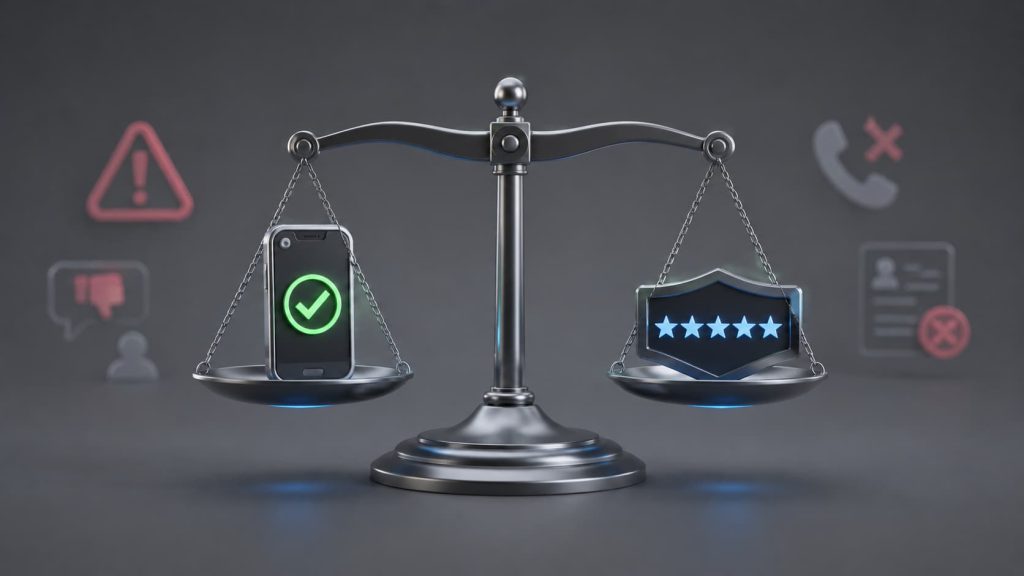
DNC compliance and brand reputation are directly connected. When an organization fails to honor Do Not Contact requests under laws such as the Telephone Consumer Protection Act (TCPA) or the FTC’s Telemarketing Sales Rule (TSR), the resulting complaints, fines, and negative publicity damage the brand’s standing with consumers and regulators. That reputational damage, in turn, increases scrutiny and reduces the effectiveness of future outbound campaigns.
PossibleNOW’s DNC compliance platform and enterprise preference management tools are built to address both sides of this equation, helping brands maintain defensible compliance practices while protecting the reputation that drives customer engagement.
Speak With an Expert Today

“DNC compliance and caller reputation are closely linked. When opt-outs are missed or suppression data is outdated, complaints rise, numbers get flagged, and legitimate outreach becomes harder. A strong compliance program helps build customer trust and strengthens your brand’s reputation.”
How Compliance Failures Lead to Reputation Damage
Contacting consumers after they have opted out can generate complaints, negative reviews, and spam labels on outbound numbers. Left unaddressed, these issues escalate into lasting brand damage.
Consumer Complaints and Public Feedback
Unwanted outreach can prompt complaints to the FCC, FTC, state attorneys general, and consumer review platforms. These complaints are visible to regulators, and many are visible to the public. A pattern of complaints can lower online ratings, generate negative social media attention, and signal to prospective customers that the brand does not respect privacy.
Enforcement Actions and Media Coverage
TSR civil penalties can reach up to more than $53,000 per non-compliant contact, and TCPA statutory damages range from $500 to $1,500 per violation. High-profile enforcement actions and class-action settlements attract press coverage that associates the brand name with unwanted outreach and regulatory failure. In industries like financial services, insurance, and healthcare — where trust is a primary differentiator — this kind of coverage can have lasting effects on customer acquisition and retention.
Caller ID Degradation
Carriers and analytics platforms monitor complaint rates, call volumes, and dialing patterns. Rising complaints increase the likelihood that outbound numbers are labeled “Spam Likely” or blocked entirely. Once numbers are flagged, answer rates drop and legitimate outreach becomes significantly less effective — a direct operational consequence of reputational decline.
How Reputation Damage Increases Compliance Exposure
Carrier and Regulatory Scrutiny Intensifies
Elevated complaint volumes attract attention from both carriers and regulators. Carriers may flag or block additional numbers associated with the organization, while regulatory agencies may treat a pattern of complaints as a basis for broader investigation.
Operational Pressure Creates New Risk
When spam labels reduce answer rates, outbound teams may feel pressure to increase call volume to hit performance targets. Without strong compliance controls in place, higher volume may increase the likelihood of contacting suppressed numbers or exceeding acceptable dialing thresholds —behaviors that can potentially worsen reputational damage and attract further carrier scrutiny.
Trust Erosion Reduces Customer Tolerance
Consumers who have already had a negative experience with unwanted outreach are less likely to give the brand the benefit of the doubt on future contacts. They are more likely to file complaints, leave negative reviews, or opt out entirely.
Where Compliance Gaps Typically Appear
Several operational weak points allow compliance and reputation problems to compound. Addressing these gaps is the most effective way to break the cycle.
- Siloed suppression data: When opt-out records are scattered across CRMs, dialers, email platforms, and vendor systems, preferences may not be applied consistently, creating complaints and compliance exposure.
- Delayed opt-out processing: Businesses must honor call and text opt-outs as soon as possible and no later than 10 business days after receipt. Manual processes or batch uploads can delay suppression updates, increasing the risk of calls or texts after the deadline has passed.
- Vendor and third-party gaps: Courts have consistently held brands responsible for the actions of third-party marketing partners, including lead generators, vendors, and remarketers. If suppression data is not shared accurately, the risk falls on the brand.
- Inconsistent cross-channel enforcement: TCPA and TSR requirements apply to calls and texts, while CAN-SPAM and state consumer protection laws govern commercial email. Even when different statutes apply, consumers expect their preferences to be honored consistently across channels.
Building a Compliance Program That Protects Reputation
The following practices help reduce the operational errors that lead to complaints and reputation damage.
Centralize Consent and Suppression Management
A single source of truth for opt-ins, opt-outs, and preference data ensures that every outbound system operates from the same current records. Centralization eliminates the data silos that cause accidental outreach and the consumer complaints that follow.
Automate Scrubbing and Propagation
Automated scrubbing against the National Do Not Call Registry, applicable state registries, and internal suppression lists removes the manual gaps that lead to violations. Real-time propagation of opt-out requests across all systems and vendors reduces the window in which a consumer might be contacted after expressing a preference to stop.
Monitor Caller ID Reputation Proactively
Tracking how outbound numbers are being labeled by carriers and analytics platforms provides early warning of reputation issues. When flagging is detected early, teams can investigate the root cause and take corrective action before the problem compounds.
Maintain Complete Audit Trails
Detailed records of scrub receipts, consent artifacts, opt-out timestamps, and vendor communications create a defensible position if a complaint or enforcement action arises. Documentation demonstrates to regulators that the organization takes compliance seriously.
Implement Vendor Oversight
Contracts with third-party partners should require adherence to TCPA and TSR rules, and suppression data should be shared on a consistent, documented schedule. Regular audits confirm that vendors are operating with current data and honoring consumer preferences.
How PossibleNOW Strengthens DNC Compliance and Brand Reputation
PossibleNOW provides enterprise-class tools and expert services designed to manage compliance and protect brand reputation:
- DNCSolution® automates scrubbing against federal, state, wireless, litigator, and internal lists — backed by a compliance guarantee. Detailed audit trails and scrub receipts provide defensible documentation for every campaign.
- MyPreferences® centralizes consent, preferences, and revocations across channels and business units, propagating updates in real time so that every system operates from accurate, current data.
- RegInfoHub® delivers continuously updated regulatory guidance on federal, state, and channel-specific requirements, helping teams stay ahead of rule changes that affect both compliance obligations and outreach practices.
PossibleNOW’s Do Not Call solution gives organizations the enforcement layer they need to keep every outbound contact compliant and every customer interaction reputation-safe.
Ready to protect your brand’s reputation with a defensible compliance program? Contact a PossibleNOW expert today to learn how DNCSolution® and MyPreferences® can help.
Request a Demo Today
About PossibleNOW
PossibleNOW is the pioneer and leader in customer consent, preference, and regulatory compliance solutions. We leverage our MyPreferences technology, processes, and services to enable relevant, trusted, and compliant customer interactions. Our platform empowers the collection, centralization, and distribution of customer communication consent and preferences across the
enterprise. DNCSolution addresses Do Not Contact regulations such as TCPA, CAN-SPAM and CASL, allowing companies to adhere to DNC requirements, backed by our 100% compliance guarantee.
PossibleNOW’s strategic consultants take a holistic approach, leveraging years of experience when creating strategic roadmaps, planning technology deployments, and designing customer interfaces. PossibleNOW is purpose-built to help large, complex organizations improve customer experiences and loyalty while mitigating compliance risk.

-
TCPA Regulations and Compliance: Complete Guide
Type: Blog
Topic: Do Not Call Solution
-
Defining Meaningful Metrics: 6 Soft KPIs to Measure Customer Preference Collection
Type: Blog
Topic: Preference Mgmt
-
Email Preference Center Best Practices
Type: Blog
Topic: Preference Mgmt
-
The Basics of DNC Scrubbing: What Is a Do Not Call (DNC) Scrubber and Why Do You Need It?
Type: Blog
Topic: Do Not Call Solution
-
What is Consent Management, How it Works, & Why it’s Important for Data Compliance
Type: Blog
Topic: Consent Mgmt
-
Do Insurance Companies Cover TCPA Damages?
Type: Blog
Topic: Do Not Call Solution
-
8 Best Practices for Capturing GDPR Consent
Type: Webinars
-
Data Silos Cause Communication Gaps
Type: Videos
Topic: Preference Mgmt
-
Difference Between Preferences & Consent
Type: Videos
Topic: Preference Mgmt
-
Integrate Do Not Call Compliance with Preferences
Type: Videos
Topic: Preference Mgmt
-
Customer Preferences Require More Than One Flavor
Type: Videos
Topic: Preference Mgmt
-
Give Customers Opt-Down Options
Type: Videos
Topic: Preference Mgmt
-
Preference Center Organization
Type: Videos
Topic: Preference Mgmt
-
Strategic Consultants Benefited Scotiabank
Type: Videos
Topic: Industry Testimonials
-
The Ultimate DNC Compliance Checklist Before Launching Your Next Campaign
Type: Blog
Topic: Do Not Call Solution
-
The Impact of AI on Automating DNC Processes
Type: Blog
Topic: Do Not Call Solution
-
Why DNC Compliance Needs Regular Auditing
Type: Blog
Topic: Do Not Call Solution
View Other Resources


