


Resource Center
What to Do If Your Business Receives a DNC Violation
Type: Blog
Topic: Do Not Call Solution
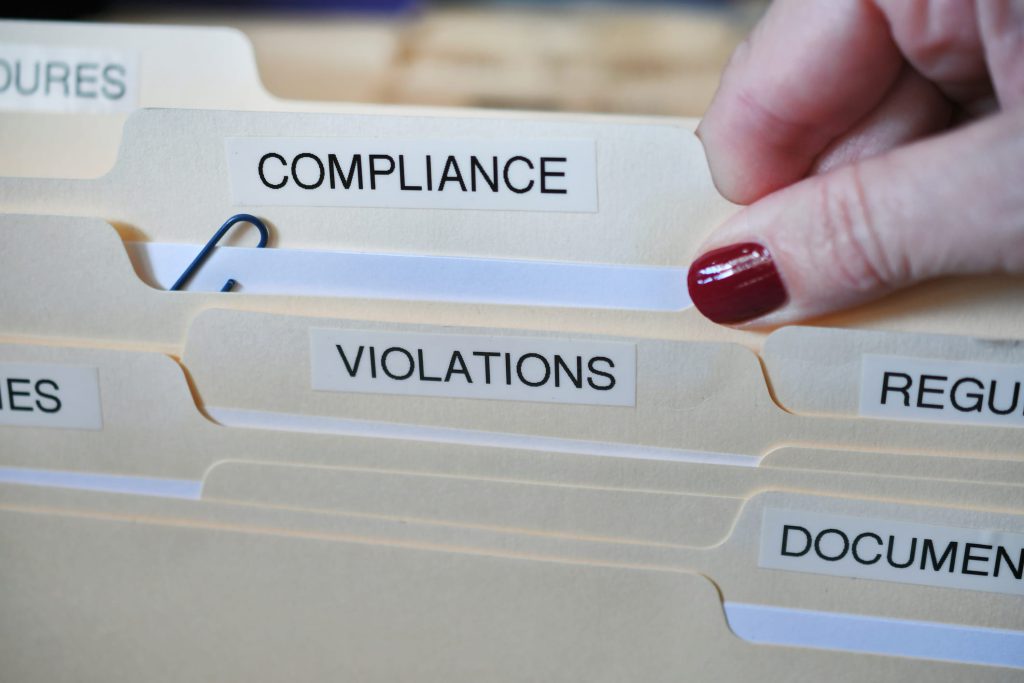
A single Do Not Call violation notice can quickly escalate into audits, substantial penalties, and reputational damage for your business. Federal and state regulators typically treat these incidents as indicators of systemic gaps rather than isolated outreach mistakes. Under the Telephone Consumer Protection Act (TCPA) and the FTC’s Telemarketing Sales Rule (TSR), unwanted calls or texts can create significant exposure, and a single violation notice can prompt broader scrutiny of your compliance program.
Taking immediate, structured action protects your business and positions you for future resiliency.

“With DNCSolution® and MyPreferences®, businesses can instantly produce full audit trails, scrub receipts, consent records, and suppression history. That level of documentation and speed can help you respond confidently to a DNC violation notice and show the regulator you have your house in order.”
In the following sections, you’ll find information on:
Speak With an Expert Today
Why DNC Violations Carry Significant Regulatory and Legal Risk
Steep penalties for DNC violations underscore the need for strong controls:
- TSR civil penalties reach over $53,088 per violation.
- TCPA statutory damages can hit $1,500 per willful call or text.
- State laws and mini-TCPA statutes in jurisdictions such as Florida, Oklahoma, and Maryland often impose additional damages and stricter standards.
- Repeated issues invite broader investigations, class actions, and lasting reputational harm.
Because organizations are also responsible for their vendors’ outreach practices, a violation can reflect issues with lead generation partners or call center providers.
Contacting a number that should have been suppressed often signals gaps in consent processes, internal list management, data sharing, or outbound oversight. Regulators routinely use these findings as a basis to request records or evaluate whether the violation is part of a wider pattern.
Immediate Steps to Take When a DNC Violation Notice Arrives
Document the Notice and Secure All Relevant Records
Begin by gathering documented evidence, including scrub receipts, timestamps, call logs, scripts, customer history, consent artifacts, vendor instructions, and CRM records. Centralized systems like MyPreferences® from PossibleNOW can provide granular consent and opt-out histories, while DNCSolution® maintains documented list scrubbing across national, state (where applicable), and internal registries. Preserving accurate records is a crucial first step in forming a defensible position.
Validate Whether a True Violation Occurred
Review the number against the National Do Not Call Registry and any state-level DNC list (e.g., Florida) that applies to your outreach footprint. Confirm whether the customer had provided valid written consent or whether an established business relationship still applied. Verify that no internal DNC request had been recorded and overlooked.
It is also essential to evaluate the use of regulated technology, since autodialed or prerecorded calls carry heightened obligations under the TCPA and state mini-TCPAs.
Assess Internal DNC List Practices
Organizations are required to honor call and text opt-outs as soon as possible, and no later than 10 business days after receipt. If suppression lists are not synchronized across systems, unwanted outreach becomes more likely. Every opt-out must be added to your internal suppression list for at least five years, according to federal law, although some states extend this to 10 years and many businesses choose to extend this period indefinitely to reduce risk.
If a violation occurred shortly after a consumer opt-out, this may indicate that the opt-out was not processed promptly or was not shared across the vendor ecosystem.
Identify Root Causes and System Gaps
Investigate what caused the violation. Common issues include manual scrubbing processes, outdated data, siloed customer systems, misapplied exemptions, or breakdowns in vendor management.
Lead generators and call centers may introduce risk if they are not operating with current opt-out data or are collecting insufficient permission details. Courts have consistently confirmed that businesses carry responsibility for the actions of their third-party marketers, making this analysis essential for risk mitigation.
Prepare a Written Response if Requested
Regulators or complainants may request an explanation of the incident. Provide a factual summary supported by documentation. Describe your review process, the relevant data findings, and the corrective actions you have taken.
Demonstrating a disciplined, organized response reflects positively on your compliance posture.
Common Reasons Businesses Receive DNC Violations
Several recurring operational issues increase the likelihood of DNC violations:
- Failure to apply opt-outs across all outbound channels
- Missing or incomplete consent history
- Outdated or unsynchronized suppression lists
- Vendor noncompliance due to inconsistent data sharing
- Overreliance on exemptions without proper validation
- Calling wireless numbers using regulated technology without proper consent
Each of these gaps can result in contact attempts that violate federal or state rules. A confirmed violation often reveals that processes were not fully centralized or automated, making it difficult to track customer permissions reliably.
Strengthening Your Compliance Program After a Violation
A violation should trigger a comprehensive evaluation of outbound governance and customer data processes. Use the incident as an opportunity to build stronger safeguards that prevent repeat exposure.
Enhance Consent and Suppression Management
Centralizing opt-ins, opt-outs, and revocations enables teams to maintain accurate, actionable customer records. MyPreferences captures granular, timestamped consent across communication channels and distributes that data to downstream platforms. DNCSolution applies suppression logic in real time and scrubs records against national and internal lists alongside wireless, state-specific, and additional compliance datasets.
Pairing these two systems reduces human error and creates an automated compliance foundation.
Improve Vendor Oversight and Data Sharing
Ensure vendors receive updated suppression lists and consent details on a consistent schedule. Contracts should clearly require adherence to TCPA and TSR rules. If vendors fail to honor opt-outs, the liability extends to the organization itself. Vendor audits and regular reconfirmation of lead source compliance are vital for mitigating this risk.
Implement CRM Integration to Reduce Compliance Gaps
Compliance performance improves considerably when outbound checks occur within the systems agents already use. Integrating DNCSolution or MyPreferences into your CRM supports real-time verification before any call, text, or email is sent. It also reduces errors caused by manual list uploads or inconsistent data handling and creates fully auditable records of suppression decisions.
Use Regulatory Intelligence to Stay Ahead of Updates
Rules governing telemarketing, calling practices, texts, caller identification, and data privacy vary widely across states and change frequently. Tools like PossibleNOW’s RegInfoHub provide a consolidated and continually updated view of federal, state, and channel-specific requirements. This helps teams remain informed about obligations related to calling hours, curfews, call recording, disclosures, wireless rules, and state-level restrictions that may influence outreach strategy.
Speak With an Expert Today
Protect Your Business From Future Violations
A DNC violation is a warning sign that your current processes may not support the level of operational rigor regulators expect. Strengthening your compliance program protects revenue, preserves customer trust, and reduces legal exposure.
With enterprise-grade tools for consent, suppression, and regulatory intelligence, PossibleNOW helps organizations create a defensible, scalable framework for compliant outreach. If your business has received a violation or wants to reduce future risk, PossibleNOW experts can help you evaluate your processes and build a comprehensive strategy that restores confidence and protects your brand.
-
TCPA Regulations and Compliance: Complete Guide
Type: Blog
Topic: Do Not Call Solution
-
Defining Meaningful Metrics: 6 Soft KPIs to Measure Customer Preference Collection
Type: Blog
Topic: Preference Mgmt
-
Email Preference Center Best Practices
Type: Blog
Topic: Preference Mgmt
-
The Basics of DNC Scrubbing: What Is a Do Not Call (DNC) Scrubber and Why Do You Need It?
Type: Blog
Topic: Do Not Call Solution
-
What is Consent Management, How it Works, & Why it’s Important for Data Compliance
Type: Blog
Topic: Consent Mgmt
-
Do Insurance Companies Cover TCPA Damages?
Type: Blog
Topic: Do Not Call Solution
-
8 Best Practices for Capturing GDPR Consent
Type: Webinars
-
Data Silos Cause Communication Gaps
Type: Videos
Topic: Preference Mgmt
-
Difference Between Preferences & Consent
Type: Videos
Topic: Preference Mgmt
-
Integrate Do Not Call Compliance with Preferences
Type: Videos
Topic: Preference Mgmt
-
Customer Preferences Require More Than One Flavor
Type: Videos
Topic: Preference Mgmt
-
Give Customers Opt-Down Options
Type: Videos
Topic: Preference Mgmt
-
Preference Center Organization
Type: Videos
Topic: Preference Mgmt
-
Strategic Consultants Benefited Scotiabank
Type: Videos
Topic: Industry Testimonials
-
Why DNC Compliance is Essential for Reputation Management
Type: Blog
Topic: Do Not Call Solution
-
Best Practices for Managing a Self-Service DNC Portal
Type: Blog
Topic: Do Not Call Solution
-
What to Do If Your Business Receives a DNC Violation
Type: Blog
Topic: Do Not Call Solution
View Other Resources


