
Preference Management refers to a strategic process that encompasses collecting, managing, and seamlessly integrating customer preferences throughout the customer journey.
It aligns directly with how companies interact with their customers, extending beyond
subscription preferences to include preferred communication channels, frequency choices,
content, lifestyle preferences, feedback, and more. These are collected through a range of
tailored experiences that deeply resonate with each individual.
Collect preferences at every stage of the customer journey
Whether it it’s building preference centers or crafting micro
experiences, our purpose built configuration module
empowers marketers to seamlessly deliver individualized
experiences precisely when needed, facilitating effective
preference collection during “moments that matter”.
And with our no code designer Sites, creating experiences in
minutes is easy.
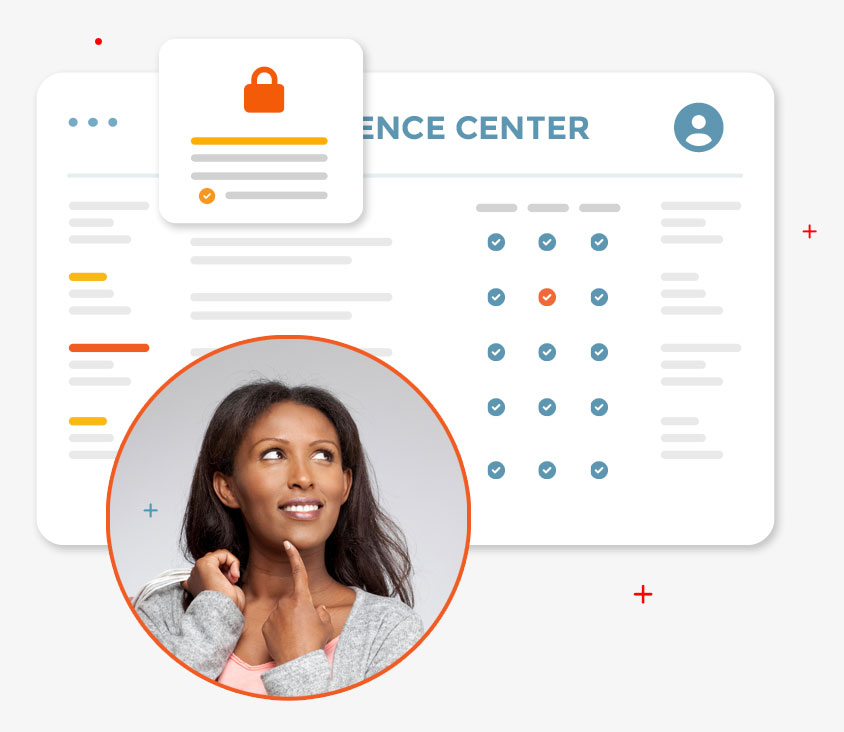
Building preference management experiences goes beyond great design, you must respect individual privacy while fostering meaningful interactions. Our intelligent business rules engine enables compliant experiences, while empowering your customers to finely tailor their engagement.
MyPreferences provides unmatched flexibility to create and manage highly granular preference experiences. You can precisely tailor preference hierarchies to individual needs and systematically categorize communications by channels, product lines, customer types, and any other criteria.

Creating effective preference experiences, involves both “art” and “science”. Leverage our robust Experience API, intuitive no code designer (i.e., science), and a team of strategists to equip marketers with all the best practice essentials (i.e., art). Tailor each experience for value, infused with a human touch, and aligned with customer desires.
A Preference Management Platform (PMP) is a comprehensive solution designed to help businesses manage and honor customer preferences regarding communications, data usage, and privacy settings. With increasing attention toward consumer data and individual data privacy protections, PMPs play a critical role in enhancing customer experience, ensuring compliance with privacy regulations and building trust.
Click Here to Read More
A preference management platform can manage various types of preferences, such as communication, consent, and personalization preferences. Above all else, preference management solutions empower businesses to control and tailor user experiences across digital platforms according to individual customer preferences.
PossibleNOW’s end-to-end preference management platform ensures compliance with data privacy regulations. Businesses can collect customer preferences through various channels, including email newsletter sign-up forms, website pop-ups, and subscription enrollment windows.
Click Here to Read More
Understanding the distinction between a preference management platform and a consent management platform is essential for organizations looking to enhance customer experiences and comply with digital data regulations. Both systems play crucial roles in managing customer data and interactions, but they serve different purposes and operate in distinct ways.
Click Here to Read More
Customers can quickly update their preferences in a preference management platform by logging into their account, navigating to the preferences section, and selecting their desired options. This process is designed to be straightforward and user-friendly, allowing customers to easily tailor their communication experiences to their specific needs and preferences with the ability to modify them if conditions change.
Click Here to Read More
Yes, data stored in a preference management platform (PMP) should be secure. PMPs collect and store necessary customer data to manage and honor customer preferences regarding communication and data usage. Reputable, reliable organizations who offer PMPs establish proven security measures to protect customer data from breaches and unauthorized access.
Click Here to Read More

 Partner Login